
Optimizing content for LLMs means structuring pages so AI systems can find, extract, and cite your passages when they answer questions. The good news: the levers are concrete and measurable. Current citation research points to self-contained sections of roughly 100 to 180 words, direct answers placed early on the page, question-shaped headings, and regular refreshes as the highest-impact changes most B2B sites can make this quarter.
The reason this discipline exists is retrieval. When ChatGPT, Perplexity, or Google’s AI systems build an answer, they don’t read your page the way a person does. They pull candidate passages, judge whether each passage answers the question on its own, and cite the sources whose passages survive that judgment. Content built as one long, flowing essay loses at this game to content built as a series of complete, quotable answers, even when the essay is better written. This playbook covers the structural, technical, and freshness signals that decide whether your pages get quoted, with the current data behind each one.
Passage structure: the 100-to-180-word rule
The most actionable finding in recent citation research concerns section length. SE Ranking’s AI Mode optimization research found sections of 100 to 150 words between headings earned about 4.7 citations on average, with performance dropping only slightly up to 180 words. Their larger dataset showed thin sections under 50 words earning roughly 2.7 citations, which means properly sized sections earn about 70% more. Related analyses of ChatGPT answers found 44.2% of citations come from the first 30% of a page’s content.
Translated into practice:
- Open every major section with a complete answer. The first sentence under a heading should answer the heading’s implied question without needing anything above it.
- Size sections at 100 to 180 words. Long enough to carry a full claim with evidence, short enough to lift cleanly into an answer.
- Front-load the page. Your most citable material belongs in the top third, not saved for a conclusion.
- Make headings questions where natural. Question headings match the query shapes AI systems retrieve against.

Say something worth quoting
Structure gets you retrieved; substance gets you cited. AI systems consistently favor passages with specific facts, numbers, and attributed claims over general prose. “Syndicated leads convert to pipeline at 6 to 8% within 90 days” is citable. “Syndication delivers strong ROI” is not.
Original data is the strongest version of this. Pages publishing first-party research get cited because they’re the only possible source for their own numbers, which is why our 2025 demand generation benchmark report functions as a citation asset and not just a lead magnet. If you can’t produce original research, the next best move is synthesis with attribution: name the study, the year, and the figure, so your passage carries verifiable weight. Two supporting habits matter here. Put a visible published and updated date on the page, and attribute claims to named sources inline, because both are patterns AI systems and their quality filters reward. And write definitions in plain “X is Y” form early in the page; definitional sentences are among the most-lifted passage types in AI answers.
Technical signals: make the machine’s job easy
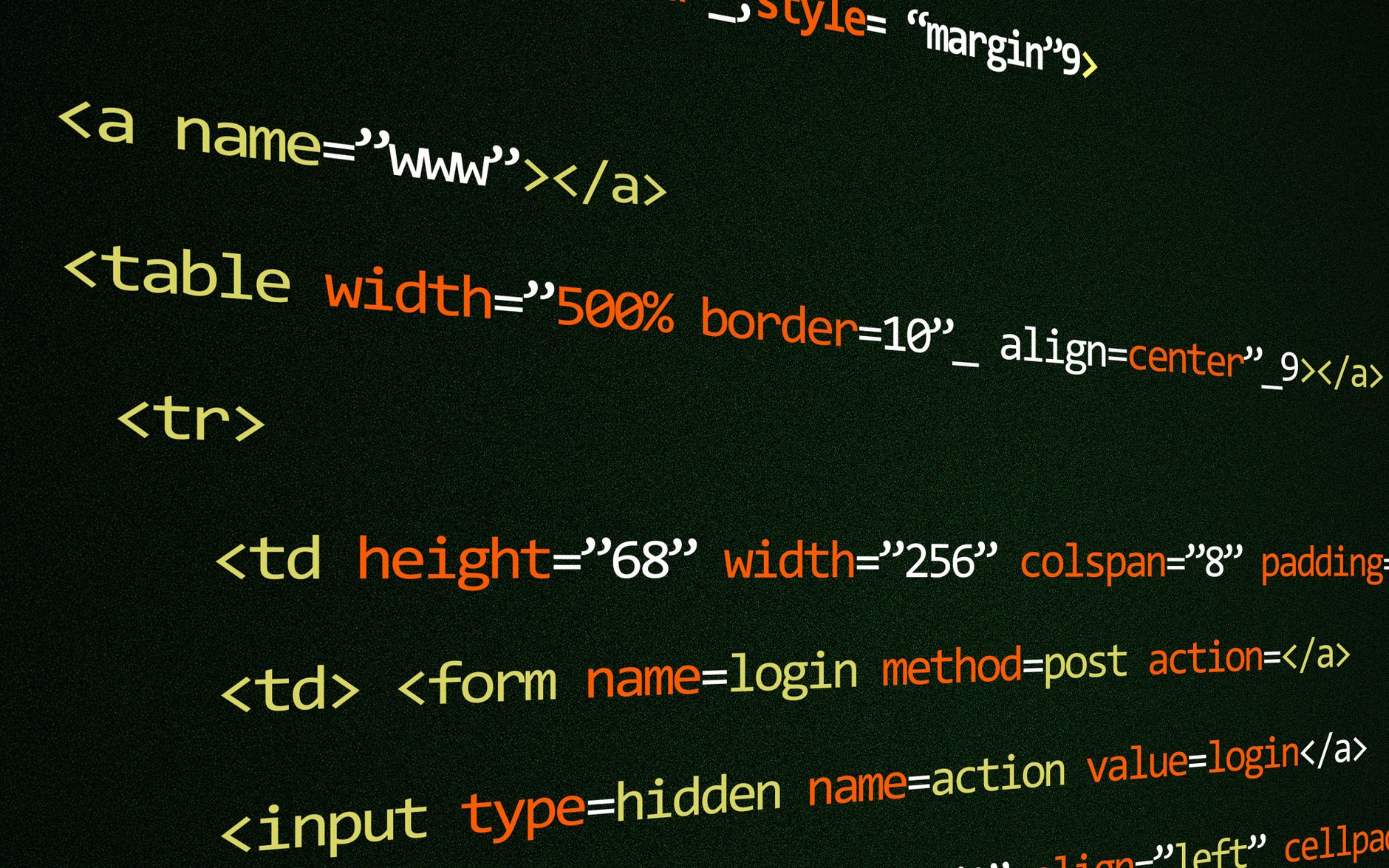
- Server-side rendering is non-negotiable. Most AI crawlers do not execute JavaScript. If your content renders client-side only, it may not exist for them.
- Keep a clean heading hierarchy. One H1, logical H2 to H3 nesting, no decorative heading skips. Retrieval systems use heading context to understand what a passage answers.
- Use tables and lists for comparable data. Structured formats survive extraction better than the same facts buried in paragraphs.
- Allow the crawlers. Check robots.txt for GPTBot, OAI-SearchBot, ClaudeBot, and PerplexityBot. Blocking them blocks citations from those platforms.
- Skip the llms.txt debate. Google has stated plainly that it ignores llms.txt files; they neither help nor hurt Google visibility. Keep one for other crawlers if you like, but never treat it as the strategy.
- Use schema for entities, not decoration. Organization and Person markup helps systems resolve who you are; that entity clarity supports the brand-mention signals that drive AI visibility, as covered in our piece on why LLM citations are reshaping search.
Freshness: the cheapest citation lever
Citation datasets agree on one thing loudly: recency pays. SE Ranking’s research found content updated within three months earning around 67% more citations than older content, and analyses of ChatGPT behavior show it heavily favoring recently updated pages. Perplexity skews toward current-year content. The practical move is a standing refresh cadence: update statistics, dates, and examples on your most important pages quarterly, and republish. A genuinely refreshed page (new data, not a changed date stamp) re-enters the freshness window each time. This is also why restoring and updating older high-value content usually beats writing net-new pages on the same topic; the URL keeps its history while the content re-earns citation eligibility.
Distribution: citations follow mentions
Page structure decides whether your passages can be cited; brand presence decides whether AI systems reach for your domain at all. Ahrefs’ 75,000-brand research found branded web mentions correlate with AI visibility around three times more strongly than backlinks. Getting your content and data onto more publisher surfaces multiplies those mentions, which is the mechanism behind our research on how content syndication supports LLM SEO and the practical checklist in the elements that help syndicated content rank in AI. Structure plus distribution is the full equation; either alone underperforms.
A 30-day implementation checklist
- Week 1: audit your ten most important pages for section length, answer-first openings, and heading hierarchy. Fix the worst offenders.
- Week 2: add a definition block and a stat-backed passage to each page’s top third; add visible updated dates.
- Week 3: verify robots.txt allows AI crawlers and that content renders without JavaScript; add Organization and Person schema.
- Week 4: set the quarterly refresh calendar, starting with the pages that already earn impressions, and plan one piece of original data worth citing.
Frequently asked questions
What does it mean to optimize content for LLMs?
It means structuring and writing pages so AI systems can retrieve, extract, and cite them: self-contained 100-to-180-word sections, direct answers early, specific attributed facts, clean markup, accessible crawling, and regular updates.
What is the ideal passage length for AI citation?
Current research points to roughly 100 to 180 words per section between headings. SE Ranking’s data shows about 4.7 average citations for sections in that range, versus 2.7 for sections under 50 words.
Do I need an llms.txt file?
Not for Google, which has said it ignores the file entirely. It’s optional for other AI crawlers and harmless to keep, but it is not a ranking or citation lever anywhere that’s been measured.
How often should I update content for AI visibility?
Quarterly is a sensible default for important pages. Research shows content updated within three months earns roughly 67% more AI citations, and several assistants heavily favor recently updated pages.
Want your research cited instead of your competitor’s? We build and distribute citable B2B content through publisher networks that multiply the mention signals AI systems reward. Book a 20-minute call.